Santa Fe, NM:

What Santa Fe Homeowners Should Know About Common Range Breakdowns in 2026
Suzan Martinez • August 31, 2026
Santa Fe homeowners face some unique appliance challenges because of where they live. This guide covers the five most common range and stove breakdowns and what local conditions make them worse. If you have been searching for range stove repair in Santa Fe, NM, understanding how elevation, water quality, and the high-desert climate stress your kitchen appliances makes the need far more predictable than it might seem.

Why Santa Fe's Environment Puts Extra Stress on Ranges
Santa Fe sits at approximately 7,199 feet above sea level, making it the highest capital city in the United States. At that elevation, thinner air affects how gas appliances combust fuel. The area's water supply can also vary in hardness by neighborhood, with mineral concentrations high enough to leave scale buildup on appliance surfaces. Add in the dry, dusty high-desert air typical across northern New Mexico, and you have conditions that quietly wear down range components over months and years. These are among the main reasons demand for range stove repair in Santa Fe, NM, remains steady year-round.
What Are the Most Common Range Breakdowns Santa Fe Homeowners See?
The most common range failures in Santa Fe involve igniters, burner valves, control boards, thermostats, and dust-clogged burner ports. Each tends to show clear warning signs before a complete breakdown.
Igniter Failure
Igniter failure is one of the most frequent reasons homeowners seek range stove repair in Santa Fe, NM. You may notice the burner clicking repeatedly without lighting, or the flame may take several attempts to catch. At elevations above 7,000 feet, lower air density means less oxygen for the gas-air mixture, resulting in longer ignition times. Santa Fe's water hardness compounds the problem. Wiping the stovetop with a damp cloth can leave calcium deposits on the ceramic igniter, insulating the electrical current and weakening the spark. Keeping the igniter area dry after cleaning slows this process, but persistent igniter failure requires professional replacement of the igniter module.
Burner Valve Problems
A faulty burner valve causes uneven or weak flame output. Gas appliances at higher altitudes already produce a less intense flame due to lower atmospheric pressure affecting the gas-air ratio inside orifices and mixing chambers. If a burner valve also becomes sticky or worn, the flame may lift off the burner head, flicker unexpectedly, or fail to hold a consistent setting. Gas valve components involve the home's fuel supply line, so any work on them should be handled by a trained technician providing range stove repair in Santa Fe, NM.
Electronic Control Board Errors
The control board manages temperature, heating cycles, timers, and display functions. When it fails, you may see error codes, find the oven overheating or underheating, or discover the control panel goes dark. Fine particulate matter common across the Santa Fe region can settle inside appliance cavities and interfere with electronics. Before assuming the board has failed, a technician will typically test the temperature sensor probe first, since a faulty sensor produces the same symptoms. Replacing a sensor when the board is the real problem wastes money, which is why professional diagnosis matters.
Thermostat Drift and Temperature Sensor Issues
An oven running too hot or not hot enough signals thermostat drift or a failing temperature sensor. Baked goods may come out burned on the edges or undercooked in the center. Santa Fe's wide swings between daytime and nighttime temperatures may accelerate wear on seals and mechanical components. If your oven temperature is consistently off by more than 25 degrees, call for range stove repair in Santa Fe, NM, rather than continuing to adjust recipes manually.
High-Desert Dust Buildup in Burner Ports
Dust and fine debris from the surrounding landscape can gradually clog the small ports on gas burner heads, producing a yellow or orange flame instead of a clean blue one, or causing uneven burning across the ring. Blocked ports restrict gas flow and reduce combustion efficiency. Turning off the burner completely and gently clearing ports with a soft brush on a regular basis may extend the time between service calls. If the flame color does not improve after cleaning or you smell gas, stop using the burner and call a technician.
When Should You Call a Professional for Range Repair?
Call a professional any time you smell gas, see a persistent yellow flame, receive error codes on the display, or notice the oven temperature is significantly off. DIY troubleshooting is reasonable for simple tasks like clearing visible debris from burner ports or confirming the burner cap is seated properly. Anything involving gas lines, valves, electrical wiring, or control board replacement carries real risk without the right training and tools. A range showing multiple symptoms at once is usually better served by a professional diagnostic visit than piecemeal part replacements.
Visit our
appliance services page to learn more about the range and stove services available to Santa Fe homeowners, or
contact us to request a service appointment.
Get Reliable Range Repair Serving Santa Fe, NM
If your range is clicking, running cold, or showing error codes, D & S Appliance is ready to help. Serving Santa Fe, NM, and the surrounding northern New Mexico communities, the team at D & S Appliance has spent over 25 years diagnosing and repairing gas and electric ranges for local households. Call (505) 466-1356 to schedule service, or contact us online to request a quote and get your kitchen running smoothly again.
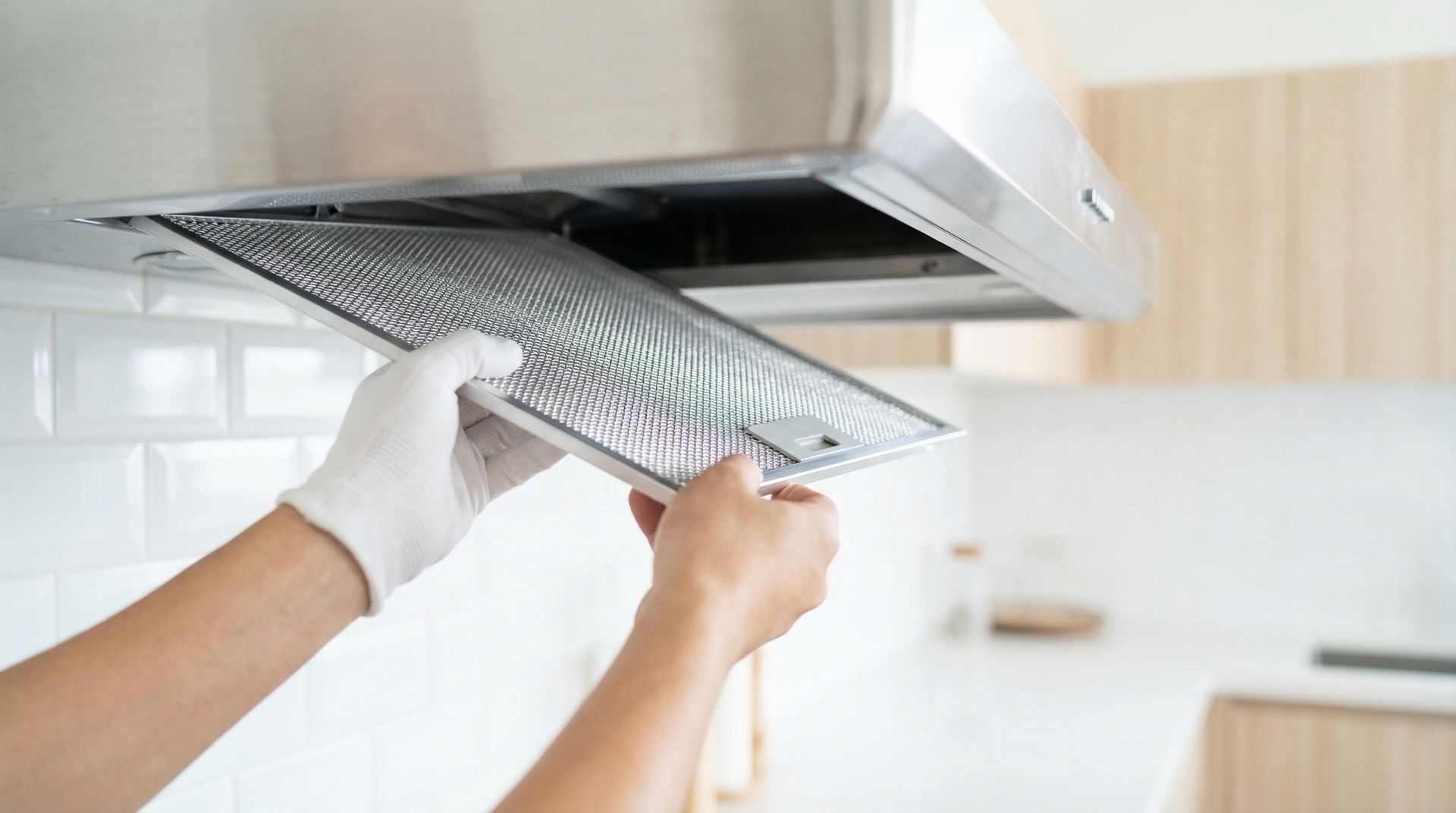
Deciding whether to repair or replace a malfunctioning range is one of the most common kitchen dilemmas for Santa Fe, NM homeowners. When a burner stops lighting, your oven loses heat, or your control panel goes dark, the answer affects your budget, your kitchen's safety, and your daily routine. This guide lays out the key factors so you can make the right call in 2026.
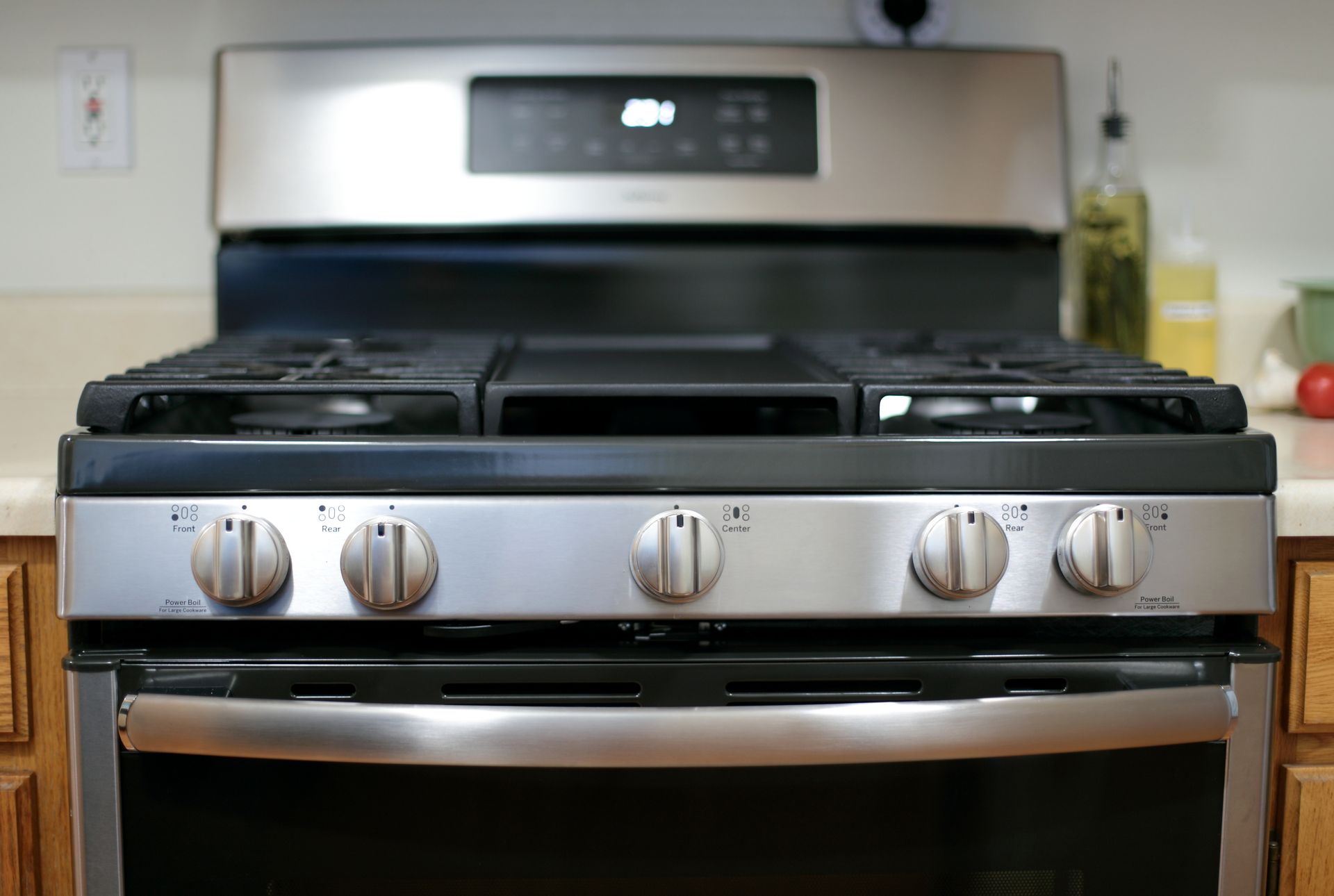
Need range repair in Santa Fe, NM? D & S Appliance covers gas igniters, electric elements & more. Over 25 years of local experience. Call today!
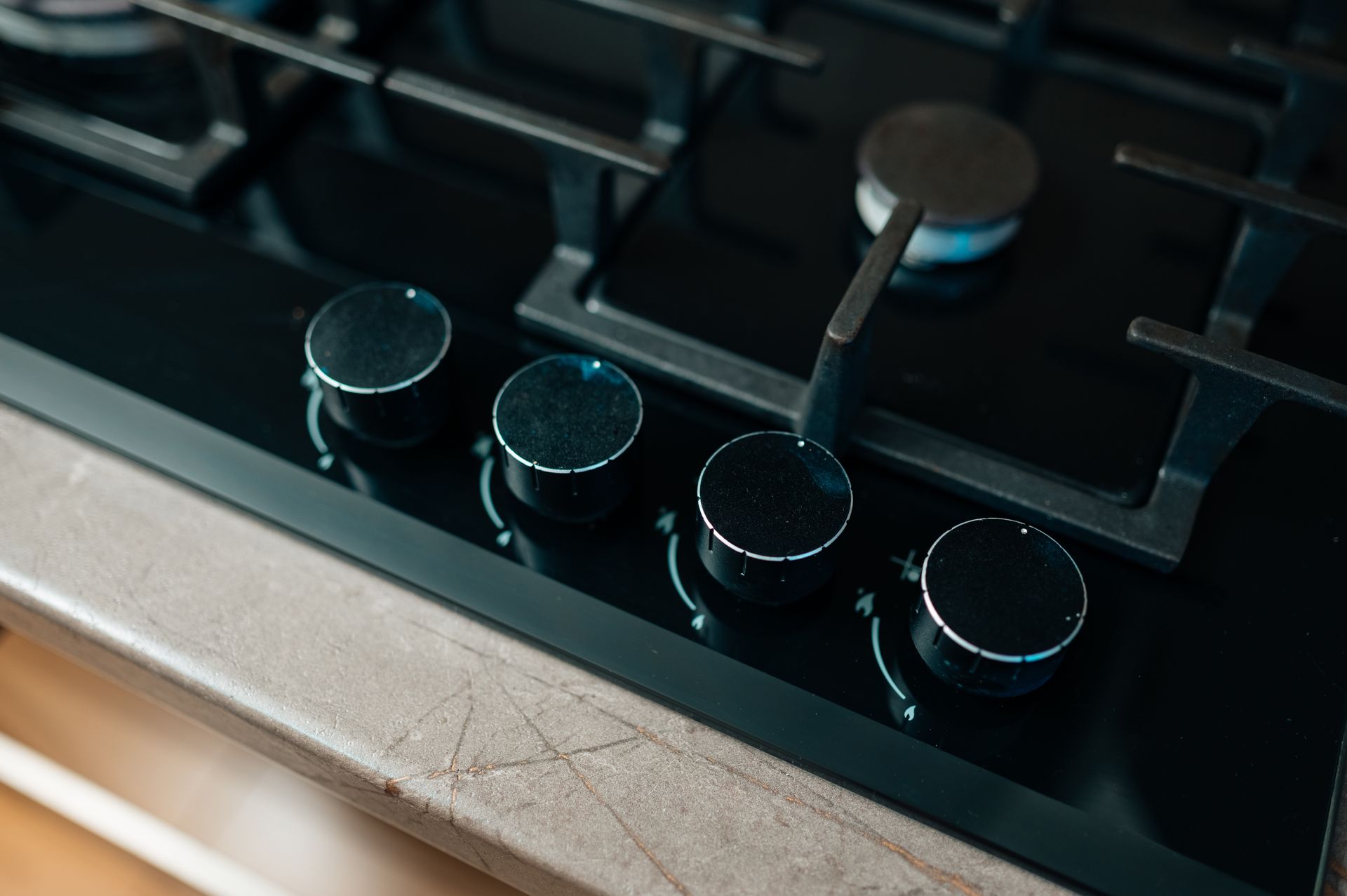
Need range repair in Santa Fe, NM? D & S Appliance helps you repair or replace with confidence. Call (505) 466-1356 today!
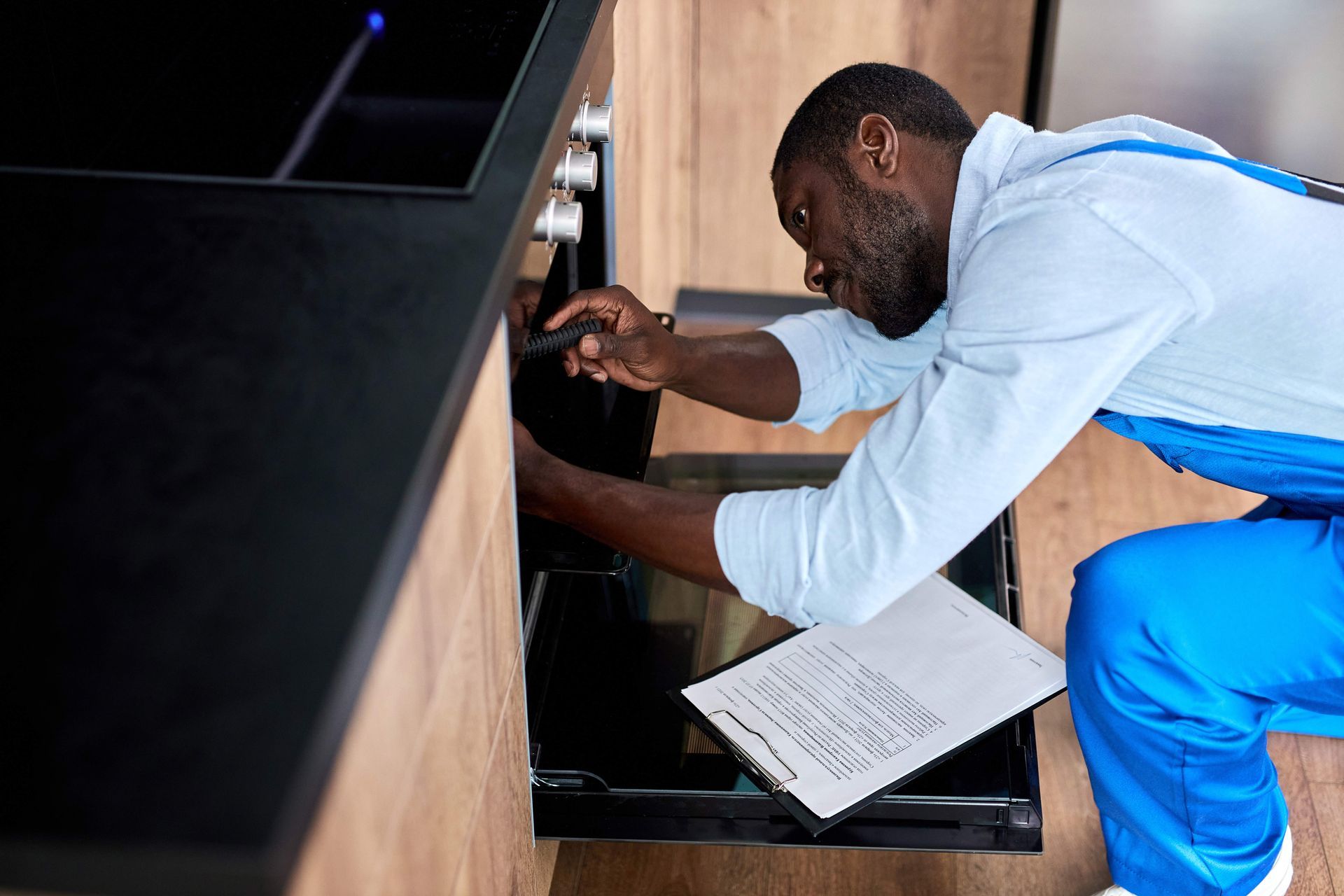
Affordable range stove repair in Santa Fe, NM by D & S Appliance. Fast, reliable service for all your range repair needs. Call us at 575-758-1833 today!
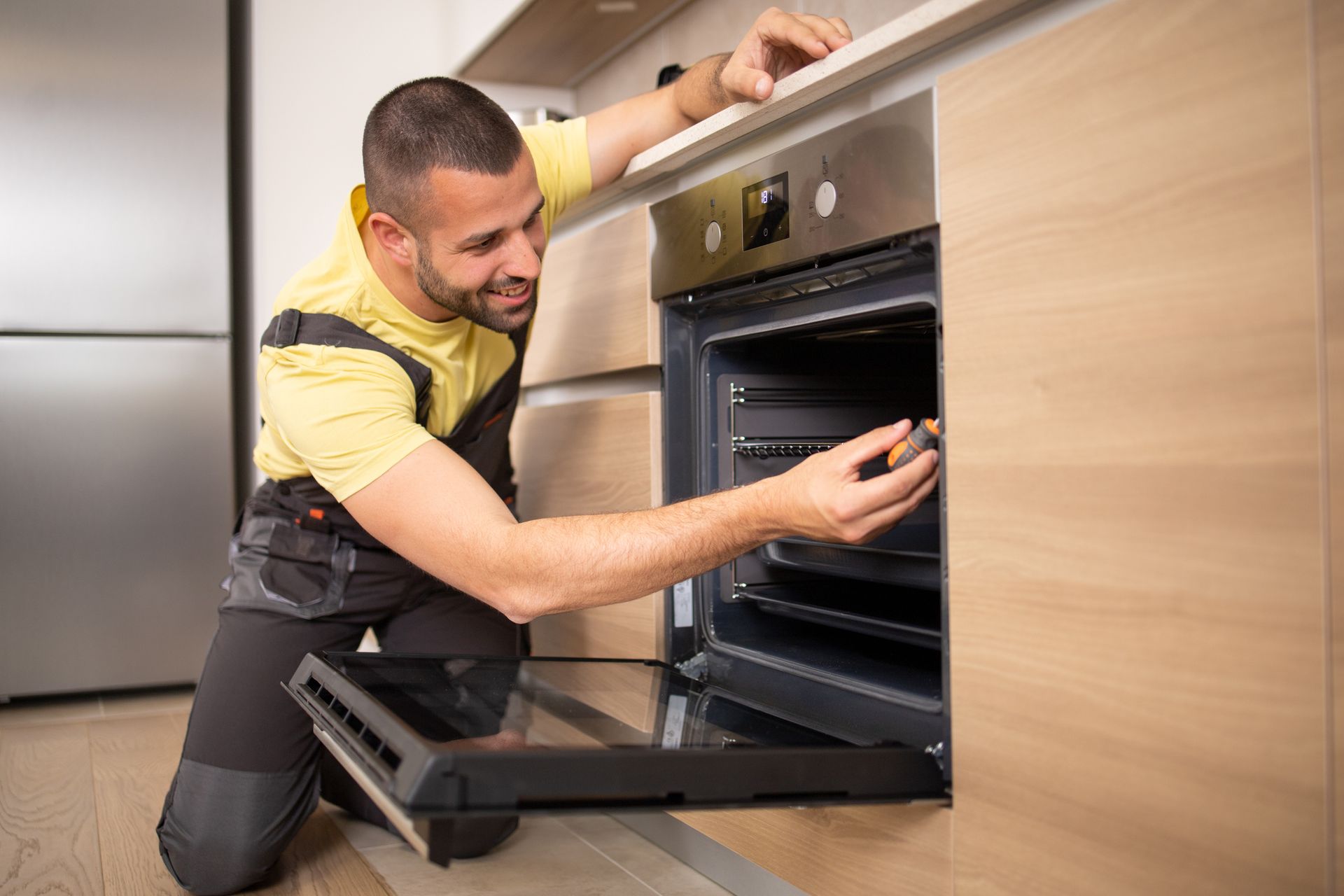
Trust D & S Appliance for expert range repair in Santa Fe, NM. Contact (505) 466-1356 for fast, reliable service to keep your kitchen running smoothly.
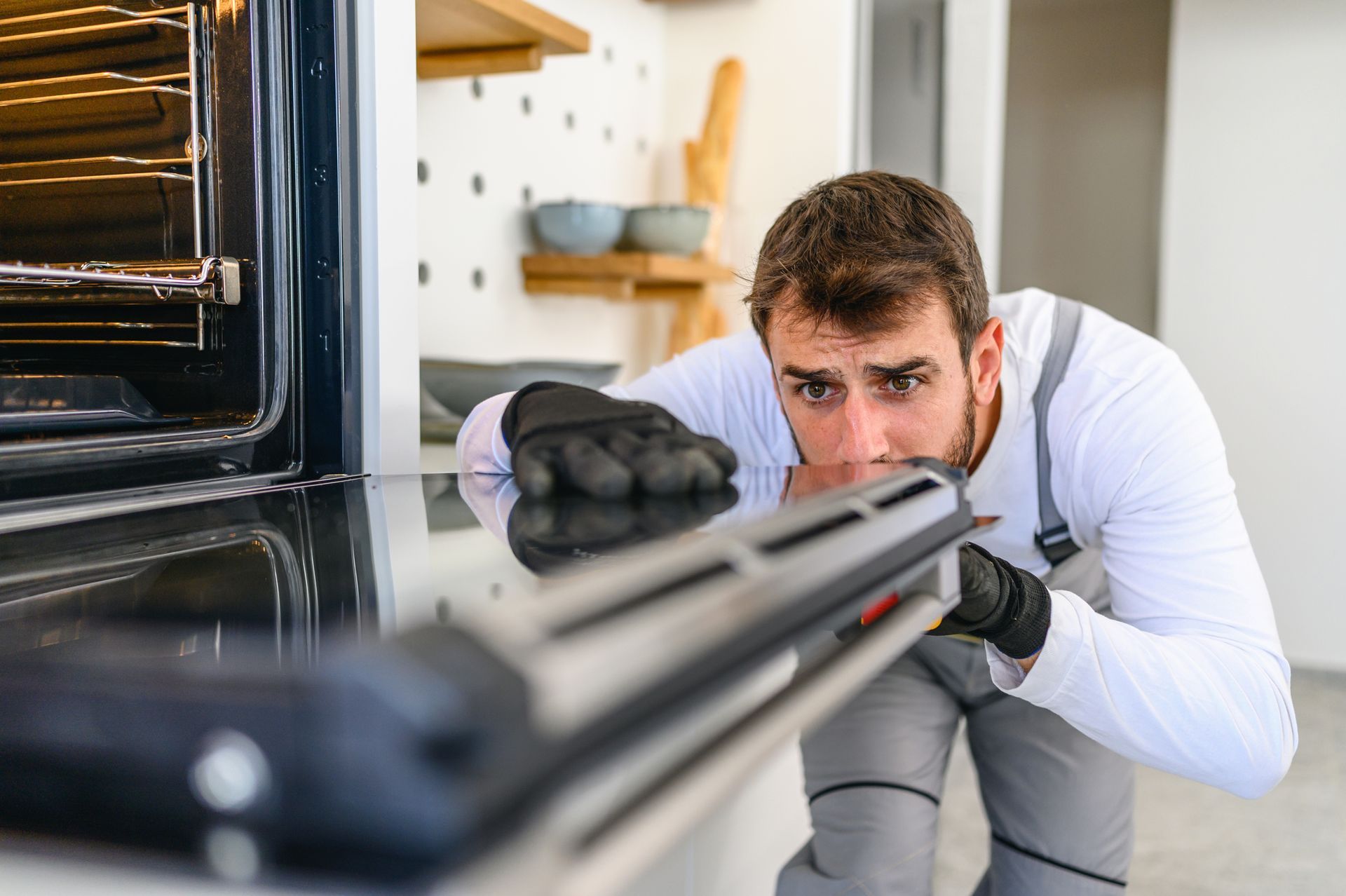
Discover the top causes of range breakdowns in Santa Fe, NM. Call now for expert stove and range repair services from experienced technicians. Fast and reliable